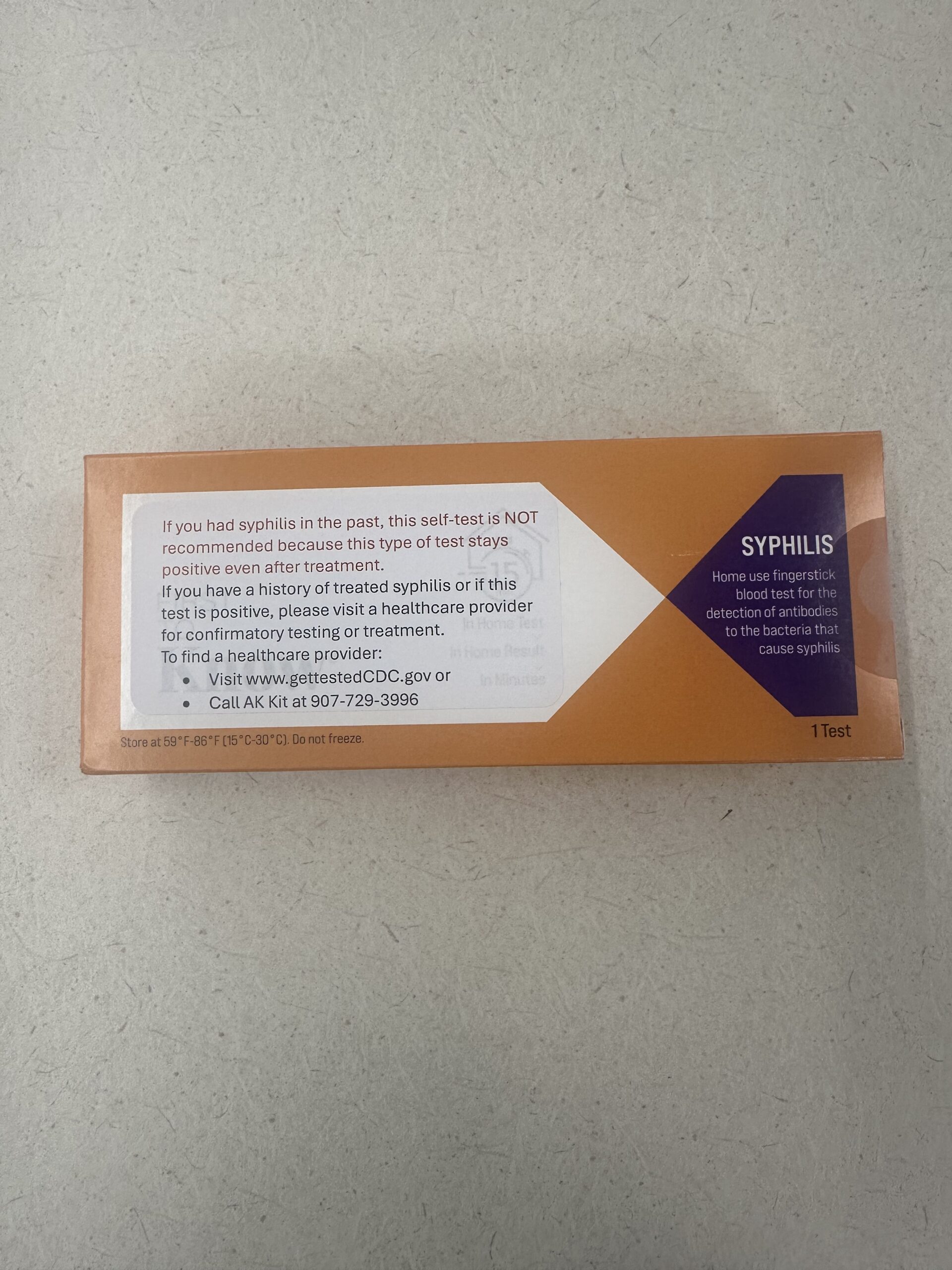
What is syphilis?
Syphilis is a sexually transmitted infection (STI) caused by a bacteria called Treponema pallidum. If syphilis is left untreated it can result in serious health problems affecting the brain, nerves, eyes, heart, blood vessels, liver, bones and joints.
Learn more about the four stages of syphilis, each having their own signs and symptoms,
here.
How is syphilis spread?
Syphilis is spread when a person comes into direct contact with a syphilis sore, also called ‘chancre,’ during vaginal, anal or oral sex. A mother who is infected may also pass syphilis on to their baby during pregnancy or childbirth.
How is syphilis treated?
Syphilis can be cured with antibiotics from a health care provider. While syphilis is curable, receiving treatment might not undo any damage already caused by the infection. It is important that people infected with syphilis complete the treatment prescribed by a
health care provider.
Who is at risk for syphilis?
All sexually active individuals are at risk of acquiring syphilis through unprotected vaginal, anal or oral sex. It is important to have an
open conversation about risk of syphilis infection with a health care provider.
Consider getting tested for syphilis, and testing regularly, if you are sexually active and:
- are a man who has sex with men
- are living with HIV
- have partner(s) who have tested positive for syphilis